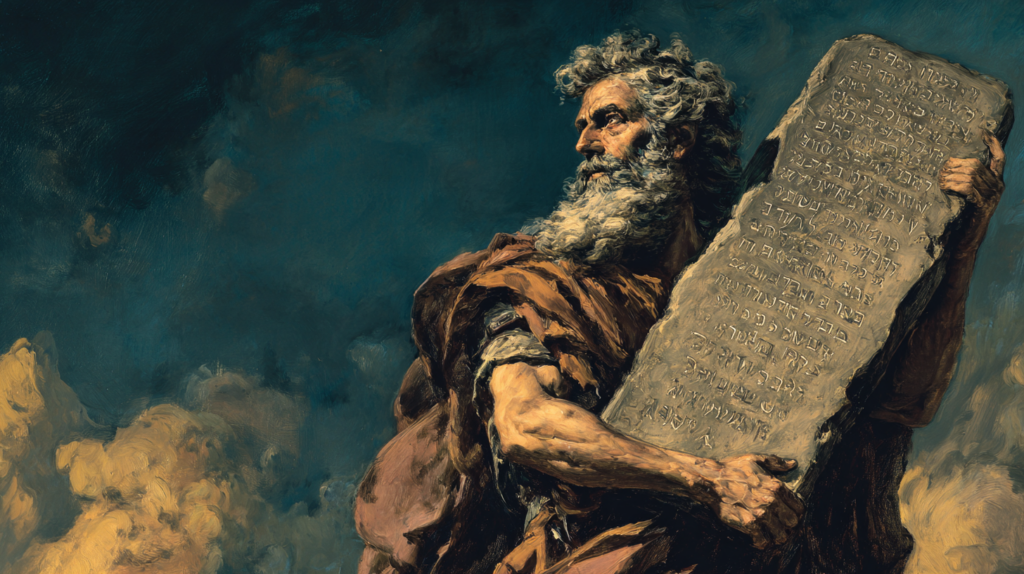
312-1 Hear and obey the Voice of Yahuah
Shema, O Yashar’El: Yahuah our Strong Authority is a united Yahuah: And you shall love Yahuah your Strong Authority with all your heart, and with all your soul, and with all your might. And these words, which I command you this day, shall be in your heart: And you shall teach them diligently unto your children, and shall talk of them when you sit in your house, and when you walk by the way, and when you lie down, and when you rise up. And you shall bind them for a sign upon your hand, and they shall be as frontlets between your eyes. And you shall write them upon the posts of your house, and on your gates.
Shema Qol Yahuah Elohiym
Hear and obey (Shema H8085) the Voice (Kol H6963) of Yahuah Elohiym
ויאמר אם־שׁמוע תשׁמע לקול יהוה אלהיך והישׁר בעיניו תעשׂה והאזנת למצותיו ושׁמרת כל־חקיו כל־המחלה אשׁר־שׂמתי במצרים לא־אשׂים עליך כי אני יהוה רפאך׃
Primary verses to consider:
And said, If you will diligently [Shema H8085] hear and obey [Shema H8085] the Voice [Qol H6963] of Yahuah your Elohiym, and will do that which is right in his sight, and will give ear to his commandments, and keep all his statutes, I will put none of these diseases upon you, which I have brought upon the Egyptians: for I am Yahuah that heals you.
And it shall come to pass, if you shall hear and obey [Shema H8085] diligently [Shema H8085] unto the Voice [Qol H6963] of Yahuah your Elohiym, to observe and to do ALL of his commandments which I command you this day, that Yahuah your Elohiym will set you on high above all nations of the earth: And all these blessings shall come on you, and overtake you, if you shall hear and obey [Shema H8085] and obey the Voice of Yahuah your Elohiym.
And it shall come to pass, when all these things are come upon you, the blessing and the curse, which I have set before you, and you shall call them to mind among all the nations, where Yahuah your Elohiym has driven you, And shall return unto Yahuah your Elohiym, and shall hear and obey [Shema H8085] His Voice [Qol H6963] according to all that I command you this day, you and your children, with all your heart, and with all your soul;
Occurrences in the Torah (22):
- Shemoth (Exodus) 15:26, 19:5, 23:21-22 (5)
- Debarim (Deuteronomy) 4:30, 8:20, 13:4, 13:18, 15:5, 26:14, 26:17, 27:10, 28:1, 28:2, 30:2, 30:10, 30:20. (13)
Negative commands (2):
These are references to NOT hearing and obeying the Voice of Yahuah.
- Debarim (Deuteronomy) 9:23, 28:15, 28:45, 28:62 (4)
- Bemidbar (Numbers) 14:22. (1)
Occurrences in the Prophets (24):
- Yahusha (Joshua) 24:24 (1)
- Yirmeyahu 3:13, 3:25, 7:23, 9:13, 11:4, 11:7, 18:10, 22:21, 32:23, 38:20, 40:3, 42:6, 42:13, 42:21, 43:4, 43:7, 44:23 (17)
- Daniel 9:10, 9:11, 9:14 (3)
- Tzephanyah 3:2 (1)
- Chaggiy (Haggai) 1:12 (1)
- Zakaryah (Zechariah) 6:15 (1)
Passages using the “Infinitive Absolute” for Shema:
(The double ‘shema’)
- Shemoth (Exodus) 15:26, 19:5, 22:23, 23:22
- Debarim (Deuteronomy) 11:13, 15:5, 28:1
- Yeshayahu (Isaiah) 6:9, 55:2
- Yirmeyahu (Jeremiah) 17:24, 31:18
- Yechezqel (Ezekiel) 33:4
- Zakaryah (Zechariah) 6:15
What is an “infinitive absolute”? written by Shaun Devoy
Abraham as an example:
- Bereshith (Genesis) 26:5
What does “Shema” and “Qol” mean in the underlying Hebrew?
Definition of [MF (Shema H8085):
The two-lettered root of “shema” is defined the following way by The Ancient Hebrew Lexicon of the Bible written by Jeff A. Benner as:
MF שמ Action: Breathe Object: Breath Abstract: Desolate Definition: The wind, or breath, of someone or something is its character.
The “shin” is a picture of two front teeth F. This pictographic letter can represent the number “two” or “second”. It can also mean “exchange”. When a young child loses their baby teeth, they are “exchanged” for bigger, more permanent teeth. The “shin” can also mean “press” as the action of chewing food and teeth applying pressure.
The “mah” or “mem” is a picture of waves M. This can represent the waves in water or the waves in the heavens. Just as there are streams in the mountains, there are jet-streams in the heavens. When these letters are put together, they mean an “exchange of breath”. Our character is revealed by the words that come forth from our mouths. Here is testimony illustrating this:
O generation of vipers, how can you, being evil, speak good things? for out of the abundance of the heart the mouth speaks.
The wind or breath of an individual is their character. We can see this definition in these pictures. This can be verified in the context of the Word. In the following passage, Chavah (Eve) was given a “name” denoting her primary function.
And Adam called his wife’s name [Shem H8034] Chavah; because she was the mother of all living.
Noach (Noah) was also given a “name” denoting his primary purpose as well.
And he called his name Noach, saying, This same shall comfort us concerning our work and toil of our hands, because of the ground which Yahuah has cursed.
The definition of the two-lettered root in the pictographic language has been verified with the context of scripture. Here are pictures representing the “shin” and the “mah” read from right to left.

Dead men and women do not “exchange breath,” therefore, they cannot speak or perform actions. They cannot illustrate their nature and character. It is the “exchange of breath” that allows us to reveal the contents of our hearts.
The Hebrew word “shema” has the addition of the letter “ayin”. The Ancient Hebrew Lexicon of the Bible written by Jeff A. Benner defines “shema” the following way:
[MF ( common, שמע / sh.m.ah) Translation: HEAR (V) Definition: To perceive or apprehend by the ear; to listen to with attention. To obey. KJV Translations: hear, obey, publish, understand, obedient, diligently, show, sound, declare, discern, noise, perceive, tell, report Strong’s Hebrew #: h.8085 Strong’s Aramaic #: a.8086
[MF שמע Definition: A careful hearing of someone or something as well as responding appropriately in obedience or action. Relationship to Parent: listening with the breath
The letter “ayin” is a picture of an eye [. It represents the functions of the eye and can be related to perceiving, seeing, watching and knowing. In its most basic form, this word means “watching exchange of breath” or “knowing exchange of breath”. Here are pictures representing the Hebrew pictographic letters for “shema” read right to left.

We know that someone has listened to our instructions when we see them following our instructions. If an individual does not follow our instructions, we know they did not listen to us because we can see that they did not follow our instructions.
Here is an example. The Pharaoh physically “heard” the words of Moshe (Moses) with his ears but did NOT heed with the warning given by the Prophet. From our Father’s perspective, the Pharaoh did NOT shema.
But Pharaoh shall not hear and obey [Shema H8085] you, that I may lay my hand upon Egypt, and bring forth mine armies, and my people the children of Yashar’El, out of the land of Egypt by great judgments.
From our Father’s perspective, “shema” means to hear His instructions and obey what He said. This is what “shema” means from His perspective when examining the ancient Hebrew pictographic language. He is “watching” our words and actions to see if we are following His instructions.
We know that the Torah was originally written in the ancient Hebrew pictographic language by the Prophet Moshe because we can define the words using the pictographic letters and show how these definitions fit within the context of the Word itself as illustrated in this example.
Definition of LWQ (Qol H6963):
The two-lettered root of the Hebrew word “qol” is defined by The Ancient Hebrew Lexicon of the Bible written by Jeff A. Benner as:
LQ קל Action: Gather, Hurl Object: Shepherd, Light, Flock, Voice, Sling Definition: When the shepherd called the sheep they swiftly came to him. The staff of the shepherd was his tool of authority. With it he would direct, discipline and protect the flock. Ancient Hebrew: The pictograph Q is a picture of the sun at the horizon and the gathering of the light, the L is a picture of a shepherd staff representing authority. Combined these mean “gathering to the staff”.
The “quph” is a picture of the sun at sunrise. Light appears to be “gathered” together in sun so this letter often means “gather”. The shepherd carries the staff of authority which he uses to guide, discipline and defend his or her sheep. When the shepherd calls the sheep using his voice, the sheep “gather” to him. Here is a beautiful example of this Hebrew word in the eyewitness accounts:
But he that enters in by the door is the shepherd of the sheep. To him the porter opens; and the sheep hear his voice: and he calls his own sheep by name, and leads them out. And when he puts forth his own sheep, he goes before them, and the sheep follow him: for they know his voice.
Our Messiah’s sheep “know” his voice and follow him. As the sheep of our Father and Messiah, we ‘know” their voices and follow them wherever they go. Here are pictures representing this two-lettered root.

We can see the definition of “QL” in these pictures for ourselves. The Hebrew word translated as “voice” has the addition of the letter “vav” which is a picture of a nail or tent peg used to secure or fasten things together. It can also mean “add” as in connecting things together. The Ancient Hebrew Lexicon of the Bible defines “qol” with the letter “vav” the following way:
LWQ ( masc., קול / qol) Translation: VOICE Definition: The faculty of utterance. Sound of a person, musical instrument, the wind, thunder, etc. Alternate Translations: sound; thunder (when in the plural form) KJV Translations: voice, noise, sound, thunder, fame Strong’s Hebrew #: h.6963
LWQ קול Definition: The call of the shepherd to the sheep who knew him by sound. When it came time to move he would call them and they would quickly gather to him.
The shepherd protects and nurtures his flock. He is their “security”. They gather to his voice which gives them security and safety. Here are pictures representing the ancient Hebrew pictographic language:

Any sound made by something draws our attention. We turn to look in the direction of the sound. Our attention is “gathered” toward the sound.
What is the “Voice” of Yahuah Elohiym?
“Voices” speak “words” and our Father speaks words through His Prophets.
I will raise them up a Prophet from among their brethren, like unto you, and will put My Words in his mouth; and he shall speak unto them all that I shall command him. And it shall come to pass, that whosoever will not hear and obey [Shema H8085] unto My Words which he shall speak in my name, I will require it of him.
People who do NOT hear and obey the Words spoken by His true Prophets will suffer unfavorable consequences because these are Words spoken by Yahuah Elohiym and not the prophet themselves.
Testimony says that true Prophets of Yahuah teach people to hear and obey ALL of the Laws written in the Torah by the Prophet Moshe (Moses).
If there arise among you a prophet, or a dreamer of dreams, and gives you a sign or a wonder, And the sign or the wonder come to pass, whereof he spoke unto you, saying, Let us go after other mighty ones, which you have not known, and let us serve them; you shall NOT hear and obey [Shema H8085] unto the words of that prophet, or that dreamer of dreams: for Yahuah your Elohiym TESTS you, to know whether you love Yahuah your Elohiym with all your heart and with all your soul. You shall walk after Yahuah your Elohiym, and fear him, and guard his commandments, and hear and obey [Shema H8085] His Voice [Qol H6963], and you shall serve him, and cleave unto him. And that prophet, or that dreamer of dreams, shall be put to death; because he has spoken to turn you away from Yahuah your Elohiym, which brought you out of the land of Egypt, and redeemed you out of the house of bondage, to thrust you out of the way which Yahuah your Elohiym commanded you to walk in. So shall you put the evil away from the midst of you.
This testimony tells us that false prophets teach people to disobey some or ALL of the Laws written by the Prophet Moshe (Moses). Our Father is instructing us with HIS WORDS, NOT to hear and obey THEIR VOICE. We are not to be sheep that runs and gathers to the false prophet. We are NOT to place our attention upon them and their words. We are to be sheep that runs and gathers to our Father in Heaven and our Messiah. We are to place our attention upon them and THEIR WORDS.
Our Messiah defines the Words spoken by Yahuah Elohiym for us in the following testimony:
And he [Yahusha] said unto them, These are the words which I spoke to you, while I was yet with you, that all things must be fulfilled, which were written in the Law of Moshe, and in the Prophets, and in the Tehillim, concerning me. Then opened he their understanding, that they might understand the scriptures,
Yahusha Ben David was resurrected from the dead. He ascended to our Father in Heaven and is living in His Presence. Yahusha is in the Garden of Eden with access to the Tree of Life. He lives forever. He has arrived at our desired destination. If we follow his example, we will achieve the same outcome. The “voice” of Messiah Yahusha says that the Word of Yahuah is the Law of Moshe (Moses), the Prophets and the Tehillim (Psalms). If we are his sheep, we will DO what he says and FOLLOW his example.
Messiah Yahusha did not need the Greek writings to arrive at our desired destination.
We can confidently hear and obey the Voice of Yahuah Elohiym in the Law, Prophets and Tehillim. This does not mean that other writings were not written by true prophets representing Yahuah. This does not mean that there are no prophets in our day and age that we should hear and obey. The Law, Prophets and Tehillim are the best places for us to start and they were sufficient for Yahusha, his disciples as well as Shaul of Tarsus. Therefore, they are sufficient for us.
Yahuah Elohiym is the Shepherd of Yahusha Ben David. He hears and obeys the Voice of his Shepherd. If Yahuah Elohiym is our Shepherd, we will hear and obey His Voice as well just like Messiah Yahusha Ben David did. Therefore, we want to gather around these writings. We want to allow them to draw our attention and focus upon the Words our Father spoke through His true prophets.
It is the desire of our Father for us to HEAR His instructions written by His true Prophets and respond by OBEYING what He said. This is “Shema Qol Yahuah Elohiym”.
KYHA HWHY LWQL [MFT [WMF
If He says His Word is that which is spoken and written by His true prophets then we cannot call the Bible His Word because everything has NOT been written by His true prophets. The Roman Catholic Church declared the documents in the Bible as the “Word of Elohiym” using manmade criteria. It was NOT a requirement for the documents to be written by prophets representing Yahuah Elohiym.
Which “voice” are we going to follow: the “voice” of the Roman Catholic Church or the “Voice” of Yahuah Elohiym?
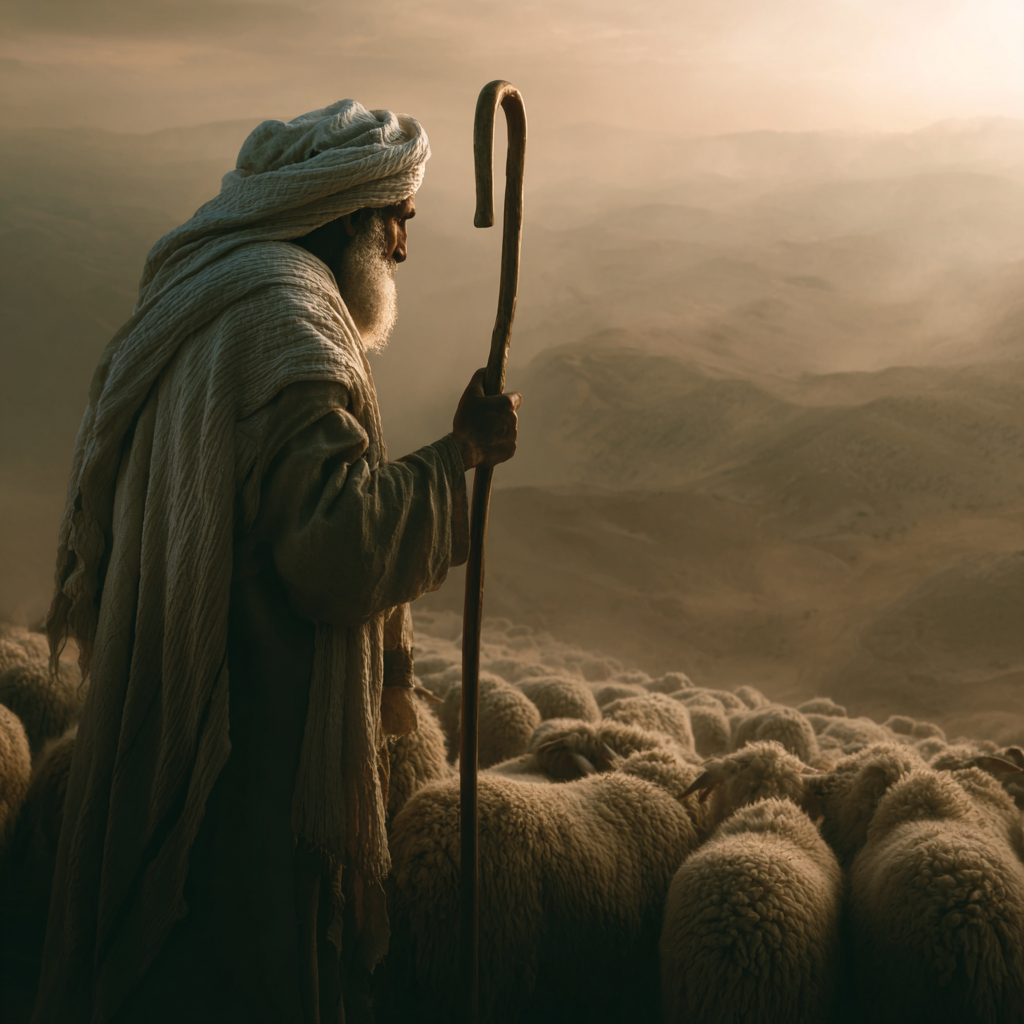
Yahusha obeyed the Voice of Yahuah as illustrated in Luke 24:44-45. He has arrived at our desired destination. If we want to arrive at this destination, we ought to follow his example.
Adam was cursed and removed from the Garden of Eden in the beginning because he “heard and obeyed the voice of his wife”. He heard and obeyed the “voice” of someone else rather than our Father’s Voice.
And unto Adam he said, Because you have heard and obeyed [Shema H8085] the voice [qol H6963] of your wife, and have eaten of the tree, of which I commanded you, saying, you shall not eat of it: cursed is the ground for your sake; in sorrow shall you eat of it all the days of your life;
If we choose NOT to hear and obey the Voice of Yahuah Elohiym, we are following Adam’s example and will reap the same outcome that he did: death and curses. We will NOT be allowed entry into the Garden of Eden and will have no access to the Tree of Life.
What principles are based on this Law?
“Principles” are foundational. They help judges make decisions regarding situations that arise that are not specifically addressed in the Laws of Yahuah. For example, things will go well for us if we hear and obey the Voice of Yahuah. Things will go well for children if they “hear and obey the voice of their parents”. Things will go well for employees if they “hear and obey the voice of their employer”. These two examples are teachings based on the “principle” established by this commandment. King Shelomoh (Solomon) uses this “principle” in the following passage:
My son, hear and obey the instruction of your father, and forsake not the Torah of your mother: For they shall be an ornament of grace unto your head, and chains about your neck. My son, if sinners entice you, do not consent.
This “principle” does not violate any other instructions in the Torah. Therefore, it is wisdom to apply this principle to our lives. When there is a contradiction, it is better to hear and obey the Voice of Yahuah than it is to obey someone else. Here is an example:
And when they had brought them, they set them before the council: and the high priest asked them, Saying, Did not we straitly command you that you should not teach in this name? and, behold, you have filled Yerushalayim with your doctrine, and intend to bring this man’s blood upon us. Then Kepha and the other apostles answered and said, We ought to obey Elohiym rather than men.
In the Garden of Eden, Adam was presented with a contradiction. Do I hear and obey the Voice of Yahuah Elohiym or do I hear and obey the voice of my wife? Adam chose poorly. We are to respect those in authority over us because Yahuah establishes all authorities. But if the individual in authority over us asks us to disobey the Voice of Yahuah, we are to obey Yahuah rather than our authority.
Another “principle” that we can gain from this commandment is “Active Listening”. When communicating with someone, it is important to actively listen to what they are saying and respond to what they are saying by acknowledging the content of their words. Verywellmind.com defines active listening the following way:
Active listening techniques are strategies to help you focus on, understand, and respond to what another person is saying. Active listening goes beyond simply hearing words and also involves being present, noticing nonverbal cues, and engaging with the speaker to understand both the meaning and intent.
These techniques can improve communication and relationships by helping you show genuine interest, ask thoughtful questions, reflect what you hear, and withhold judgment during conversations. https://www.verywellmind.com/what-is-active-listening-3024343
Wikipedia defines “active listening” the following way:
Active listening is the intentional engaging practice of listening in the moment. It is the act of being attentive to what’s communicated verbally and non-verbally, then relaying that information to be understood, clarified, and create connection.[1]
Active listening is listening to understand. This form of listening develops a mutual understanding between speaker and listener. Speakers receive confirmation that their point is coming across and listeners absorb more information, comprehension, and understanding by being consciously engaged. The overall goal of active listening is to eliminate any misunderstandings and establish clear communication of thoughts, perceptions, and ideas between the speaker and listener.[2]
Research has demonstrated that active listening promotes trust, reduces misunderstandings, and enhances emotional connection, making it a valuable tool in both personal and professional contexts.[3] In addition to its interpersonal and professional use, active listening is increasingly recognized as an essential tool in digital communication, intercultural dialogue, and social justice contexts. Recent research highlights its role in reducing bias, fostering inclusion, and enhancing understanding across diverse perspectives. https://en.wikipedia.org/wiki/Active_listening
“Shema” is defined as “hearing and obeying”. Our Father is watching us to see if we heard what He said. Our words and actions validate that we heard His instructions. It is a confirmation that we understood. When we are having a conversation with someone, it is important to actively listen to what the other individual is saying. It is good to confirm and validate that we actually heard what they said. This causes an individual to feel important and valued.
The modern-day concept of “principle” is defined the following way by Wikipedia and Biblehub:
A principle may relate to a fundamental truth or proposition that serves as the foundation for a system of beliefs or behavior or a chain of reasoning.[2] They provide a guide for behavior or evaluation.[2] A principle can make values explicit, so they are expressed in the form of rules and standards. https://en.wikipedia.org/wiki/Principle
In the context of the Bible, the term “principle” refers to fundamental truths or doctrines that guide behavior and belief. These principles are derived from the teachings and commandments found in Scripture and serve as the foundation for Christian living and moral decision-making. https://biblehub.com/topical/p/principle.htm
What character attribute is associated with this Law?
From my perspective, “faith” is the main character attribute associated with this commandment. This core value is defined the following way:
Faith is a strong, often unquestioning belief, trust, or confidence in a person, idea, or entity (like Elohiym) that does not require tangible proof. It implies complete reliance and loyalty, frequently in the absence of evidence or in the face of doubt, and can also refer to a specific religious system.
I BELIEVE Yahuah Elohiym exists. I BELIEVE Yahuah is righteous and just. Because I BELIEVE these things, I BELIEVE these Words. I BELIEVE what He says. I BELIEVE people will die if they work on the 7th day. I don’t want to die so I do not work on the 7th day Shabbat of Yahuah. I don’t want other people to die so I speak the truth to them in hopes that they will stop working on the 7th day. My actions illustrate the BELIEF I hold in my heart. It is my FAITH.
Identify relevant passages from the Greek writings:
The Greek writings helped me to understand that “shema” is related to the concept of “faith”. Our Messiah spoke the following parable.
Therefore, whosoever HEARS these sayings of mine, and DOES them, I will liken him unto a wise man, which built his house upon a rock: And the rain descended, and the floods came, and the winds blew, and beat upon that house; and it fell not: for it was founded upon a rock. And every one that HEARS these sayings of mine, and DOES NOT DO THEM, shall be likened unto a foolish man, which built his house upon the sand: And the rain descended, and the floods came, and the winds blew, and beat upon that house; and it fell: and great was the fall of it.
Yahusha is describing “faith” and “shema”. Those who “hear” and “do” are fulfilling the commandment that says, “Shema Qol Yahuah Elohiym”. Yahusha confirms this in the following passage:
Verily, verily, I say unto you, He that hears and obeys my word, and believes on Him that sent me, has everlasting life, and shall not come into condemnation; but is passed from death unto life. Verily, verily, I say unto you, The hour is coming, and now is, when the dead shall hear and obey the voice of the Son of Elohiym: and they that hear and obey shall live. For as the Father has life in himself; so has he given to the Son to have life in himself; And has given him authority to execute judgment also, because he is the Son of man. Marvel not at this: for the hour is coming, in the which all that are in the graves shall hear and obey his voice, And shall come forth; they that have done good, unto the resurrection of life; and they that have done evil, unto the resurrection of damnation.
Those who “believe” on Yahuah Elohiym who sent Yahusha, “believe” the Words that Yahuah spoke and responds by “obeying” His Words. They “obey” because they “believe” they are true. They “believe” that Yahuah will fulfill them to their full capacity. It is the voice of our Messiah who will call us from the grave and we will be gathered together to our shepherd.
How can we apply this Law to our lives?
The steps are straight-forward repentance.
- Read and study the Word of Yahuah Elohiym which is His Voice.
- When you come across something that you are not doing, START doing it.
- When you realize that a behavior you are doing transgresses one of His commandments, STOP doing it.
- Seek our Father’s forgiveness with a humble contrite heart.
- Repeat steps 1-4.
If Yahuah says “jump,” we “jump”.
We must resolve ALL contradictions in our interpretations using the Law, Prophets and Tehillim as a foundation.
Practice “active listening” with Yahuah as well as others.
Identify key insights from this Law?
When we think of “voice”, we think of someone speaking words with their mouth making sounds. However, in the Word, “signs” have a “voice”:
And it shall come to pass, if they will not believe you, neither hear and obey [Shema H8085] to the voice [Qol H6963] of the first sign, that they will believe the voice [Qol H6963] of the latter sign.
These “signs” were communicating a message that drew the attention of the people to Moshe (Moses) and Yahuah Elohiym. In the next passage, “Qol” was translated as “voice” and “thunder”.
And it came to pass on the third day in the morning, that there were thunders [Qol H6963] and lightnings, and a thick cloud upon the mount, and the voice [Qol H6963] of the trumpet exceeding loud; so that all the people that was in the camp trembled.
“Thunder” makes a loud sound that draws the attention of others to it. “Trumpets” or “Shophars” have a sound that also draws the attention of others. In the next passage, blood has a “voice”.
And he said, What have you done? the voice [Qol H6963] of your brother’s blood cries unto me from the ground.
Our Father was able to hear the “cry” of Abel’s blood that had been poured out upon the ground. Blood has a “voice”. In the next passage, “Qol” is translated as “sound”.
A golden bell and a pomegranate, a golden bell and a pomegranate, upon the hem of the robe round about. And it shall be upon Aaron to minister: and his sound [Qol H6963] shall be heard when he goes in unto the set-apart place before Yahuah, and when he comes out, that he dies not.
Aahron wore bells on the hem of his garment. When he walked, people could hear his “sound”. Perhaps, our Father also wears bells on the hem of His garment which makes a sound when He walks. When Adam and Chavah “heard” the “Voice” of Yahuah walking in the Garden, did they hear the sound of His footsteps or bells on the edge of His garment?
And they heard the voice [Qol H6963] of Yahuah Elohiym walking in the garden in the cool of the day: and Adam and his wife hid themselves from the presence of Yahuah Elohiym amongst the trees of the garden.
In the next passage, sounds produced by animals are also “Qol”.
And Shemuel said, What is this bleating [Qol H6963] of sheep in mine ears, and the lowing [Qol H6963] of oxen which I hear [Shema H8085]?
Musical instruments make a sound. This is their “voice”.
Thus, all Yashar’El brought up the ark of the covenant of Yahuah with shouting, and with sound [Qol H6963] of the cornet, and with trumpets, and with cymbals, making a noise with psalteries and harps.
The Word of Yahuah also has a “voice”. It communicates a message to His people.
Bless Yahuah, you his messengers, that excel in strength, that do his commandments, hearkening [Shema H8085] unto the voice [Qol H6963] of His Word.
“Signs” are an outward action that draws our attention. When we fulfill His Word with our actions and words, we are giving His Word a “Voice” that draws people’s attention to us. Because we hear and obey His Voice, He is permitted to bless us. The blessing is a “sign” that speaks a message. If the blessing is big enough, it will certainly draw the attention of others. For example, when the plagues were being executed in Egypt, the House of Yashar’El were protected from the last seven plagues.
And I will sever in that day the land of Goshen, in which my people dwell, that no swarms of flies shall be there; to the end you may know that I am Yahuah in the midst of the earth.
When we hear and obey the Voice of Yahuah, we open the door for Yahuah to draw the attention of people to us. This is what He did with Yahusha. He allowed Yahusha to do signs and miracles which drew the attention of the people to him. Yahuah was saying, “Do what My son is doing. Obey the voice of My son.” He will do the same for the House of Yashar’El.
What happens if we transgress this Law?
The most significant is the fact that H will not hear our prayers. If we do not hear Him, He will no hear us. Here are three witnesses regarding this stark reality.
He that turns away his ear from hearing [Shema H8085] the LAW, even his prayer shall be abomination.
And when you spread forth your hands, I will hide My eyes from you: yea, when you make many prayers, I will not hear [Shema H8085]: your hands are full of blood.
So, I spoke unto you; and you would not hear and obey [Shema H8085], but rebelled against the commandment of Yahuah, and went presumptuously up into the hill. And the Amorites, which dwelt in that mountain, came out against you, and chased you, as bees do, and destroyed you in Seir, even unto Hormah. And you returned and wept before Yahuah; but Yahuah would not hear and obey [Shema H8085] your voice [Qol H6963], nor give ear unto you.
If we do not “hear and obey” Him, He will NOT “hear and obey” our voice. This is the Law of Sowing and Reaping.
What happens if we obey this Law?
The following was taken from ALL the passages in the Torah that included the “infinitive absolute” (Shemoth 15:26, 23:22, Debarim 11:13-15, 15:5-6, 28:1-14). Our Father wanted to draw attention to these passages more than others. This is a summary of those passages:
Hearing and obeying the Law is synonymous with the following:
- Doing what is right in His sight (Shemoth/Exodus 15:26)
- Listen to His commandments (Shemoth/Exodus 15:26)
- Guard His Statutes (Shemoth/Exodus 15:26)
- Guarding His covenant (Shemoth/Exodus 19:5)
- DO all that I speak (Shemoth/Exodus 23:22)
- Love Yahuah your Elohiym (Debarim 11:13-15)
- Serve Him with ALL your heart and soul (Debarim 11:13-15)
- Observe to DO ALL of His commandments which He commanded that day (Debarim 15:5-6)
- Serve Him with ALL your heart and soul (Debarim 15:5-6)
- Hear and obey His Voice (Debarim 28:1-14)
- Walk in His Ways (Debarim 28:1-14)
- Guard His commandments (Debarim 28:1-14)
- Do ALL of His Commandments (Debarim 28:1-14)
- Do not go to the right or the left to follow after other mighty ones (Debarim 28:1-14)
Rewards for Shema:
- No diseases. (Shemoth/Exodus 15:26)
- Peculiar treasure above all people (Shemoth/Exodus 19:5)
- Our enemies will be His enemies (Shemoth/Exodus 23:22)
- He will give rain in due season (Debarim 11:13-15)
- He will give us the former and the latter rain (Debarim 11:13-15)
- We will gather in corn, wine and oil (Debarim 11:13-15)
- He will send grass for our cattle (Debarim 11:13-15)
- We will eat and be full (Debarim 11:13-15)
- He will bless us (Debarim 15:5-6)
- We shall lend to many nations and not borrow (Debarim 15:5-6)
- We shall reign over many nations but they will not reign over us (Debarim 15:5-6)
- Set us on high above all nations of the earth (Debarim 28:1-14)
- Blessings will come and overtake us (Debarim 28:1-14)
- Blessed in the city and in the field (Debarim 28:1-14)
- Fruit of our body will be blessed (Debarim 28:1-14)
- Fruit of the ground will be blessed (Debarim 28:1-14)
- Fruit of our livestock will be blessed (Debarim 28:1-14)
- Our basket and store will be blessed (Debarim 28:1-14)
- We will be blessed when we come in (Debarim 28:1-14)
- We will be blessed when we go out (Debarim 28:1-14)
- Our enemies will be smitten before our face (Debarim 28:1-14)
- Our enemies will flee seven ways (Debarim 28:1-14)
- Everything we do with our hands will be blessed (Debarim 28:1-14)
- We will be in our own land (Debarim 28:1-14)
- He will establish us as a set-apart people to Himself (Debarim 28:1-14)
- ALL people of the earth shall see that we are called by His Name (Debarim 28:1-14)
- The nations of the earth will fear us (Debarim 28:1-14)
- We will be plenteous in the fruit of our body, the fruit of the ground and the fruit of our livestock (Debarim 28:1-14)
- He will open the good treasures of heaven (Debarim 28:1-14)
- He will provide rain in its season (Debarim 28:1-14)
- He will bless all the works of our hands (Debarim 28:1-14)
- We shall lend to many nations and not borrow from them (Debarim 28:1-14)
- We will be the head and the nations will be the tail (Debarim 28:1-14)
- We will be above and the nations will be beneath (Debarim 28:1-14)
If the Law were to require the sacrifice of an animal in the Temple once a week, wouldn’t the blessings listed from these passages be worth it? We do not have to “like” ALL of the Laws of those who are in authority. There are tons of laws established in the United States that I don’t like. But I obey them because I live here and enjoy the blessings of living in this country.
I happen to LOVE ALL of the LAWS of Yahuah Elohiym. They are good and right, even those describing the sacrificial system. It is a blessing and a gift to us.
If we, the House of Yashar’El returns and obeys ALL of His commandments written by the Prophet Moshe, we will receive ALL of these blessings. We will be made the “head” over all the earth and solve the problems we now face with the current leadership in place. “Voting for the lesser of two evils” will not solve the problem. We need new leaders who are righteous and just. We can make this happen by returning and obeying ALL of the Laws of our Father.
How is this Law related to “idolatry”?
Hearing and obeying the voice of someone else rather than hearing and obeying the Voice of Yahuah Elohiym is idolatry. For example, the “voice” of the Pope says the Sabbath is on Sunday. People who observe the Sabbath on Sunday are choosing to obey the “voice” of the Pope rather than Yahuah Elohiym. They are placing the authority of the Pope ABOVE the authority of Yahuah Elohiym. This is a violation of the following Law:
You shall have no other strong authorities above Me.
King Shaul is an example:
And Shaul said unto Shemuel, I have sinned: for I have transgressed the commandment of Yahuah, and your words: because I feared the people, and heard and obeyed [Shema H8085] their voice [Qol H6963]. Now therefore, I pray you, pardon my sin, and turn again with me, that I may worship Yahuah. And Shemuel said unto Shaul, I will not return with you: for you have rejected the word of Yahuah, and Yahuah has rejected you from being king over Yashar’El. And as Shemuel turned about to go away, he laid hold upon the skirt of his mantle, and it rent. And Shemuel said unto him, Yahuah has rent the kingdom of Yashar’El from you this day, and has given it to a neighbor of your, that is better than you. And also, the Strength of Yashar’El will not lie nor repent: for he is NOT a man, that he should repent.
King Shaul chose to hear and obey the voice of the people rather than the Voice of Yahuah Elohiym. Because King Shaul rejected the Word of Yahuah, he was rejected by Yahuah in the Law of Sowing and Reaping. From this example we can see that NOT hearing and obeying the Word of Yahuah is viewed as someone rejecting Him. Adam was also an example.
And unto Adam he said, Because you have heard and obeyed [Shema H8085] the voice of your wife, and hast eaten of the tree, of which I commanded you, saying, you shall not eat of it: cursed is the ground for your sake; in sorrow shall you eat of it all the days of your life;
Adam chose to hear and obey the voice of his wife rather than the Voice of Yahuah Elohiym. Both of these men placed the authority of someone else ABOVE the authority of Yahuah and His Word. It was evidenced in their words and actions. It revealed their faith in man and Not Yahuah Elohiym.
Passages with the “Infinitive Absolute” in the Torah:
And said, If you will diligently [Shema H8085] hear and obey [Shema H8085] the Voice [Qol H6963] of Yahuah your Elohiym, and will do that which is right in his sight, and will give ear to his commandments, and keep all his statutes, I will put none of these diseases upon you, which I have brought upon the Egyptians: for I am Yahuah that heals you.
Now therefore, if you will hear and obey [Shema H8085] my voice indeed [Shema H8085], and keep my covenant, then you shall be a peculiar treasure unto me above all people: for all the earth is mine:
But if you shall indeed [Shema H8085] hear and obey [Shema H8085] His Voice, and do all that I speak; then I will be an enemy unto your enemies, and an adversary unto your adversaries.
And it shall come to pass, if you shall hear and obey [Shema H8085] diligently [Shema H8085] my commandments which I command you this day, to love Yahuah your Elohiym, and to serve him with all your heart and with all your soul, That I will give you the rain of your land in his due season, the first rain and the latter rain, that you mayest gather in thy corn, and thy wine, and your oil. And I will send grass in thy fields for thy cattle, that you mayest eat and be full.
Only if you carefully hear and obey [Shema H8085, Shema H8085] unto the voice of Yahuah your Elohiym, to observe to do all these commandments which I command you this day. For Yahuah thy Elohiym blesses you, as he promised you: and you shall lend to many nations, but you shall not borrow; and you shall reign over many nations, but they shall not reign over you.
And it shall come to pass, if you shall hear and obey diligently [Shema H8085, Shema H8085] the voice of Yahuah your Elohiym, to observe and to do all his commandments which I command you this day, that Yahuah your Elohiym will set you on high above all nations of the earth: And all these blessings shall come on you, and overtake you, if you shall hear and obey [Shema H8085] the voice of Yahuah your Elohiym. Blessed shall you be in the city, and blessed shall you be in the field. Blessed shall be the fruit of your body, and the fruit of your ground, and the fruit of your cattle, the increase of your kine, and the flocks of your sheep. Blessed shall be your basket and your store. Blessed shall you be when you come in, and blessed shall you be when you go out. Yahuah shall cause your enemies that rise up against you to be smitten before your face: they shall come out against you one way, and flee before you seven ways. Yahuah shall command the blessing upon you in your storehouses, and in all that you set your hand to; and he shall bless you in the land which Yahuah your Elohiym giveth you. Yahuah shall establish you a set-apart people unto himself, as he has sworn unto you, if you shalt keep the commandments of Yahuah your Elohiym, and walk in his ways. And all people of the earth shall see that you are called by the name of Yahuah; and they shall be afraid of you. And Yahuah shall make you plenteous in goods, in the fruit of your body, and in the fruit of your cattle, and in the fruit of your ground, in the land which Yahuah swore unto your fathers to give you. Yahuah shall open unto you his good treasure, the heaven to give the rain unto your land in his season, and to bless all the work of your hand: and you shall lend unto many nations, and you shall not borrow. And Yahuah shall make you the head, and not the tail; and you shall be above only, and you shall not be beneath; if that you hear and obey [Shema H8085] the commandments of Yahuah your Elohiym, which I command you this day, to observe and to do them: And you shall not go aside from any of the words which I command you this day, to the right hand, or to the left, to go after other mighty ones to serve them.
Passages with the “Infinitive Absolute” in the Prophets:
And he said, Go, and tell this people, Hear you indeed [Shema H8085, Shema H8085], but understand not; and see you indeed, [Ra’ah H7200, Ra’ah H7200] but perceive not. Make the heart of this people fat, and make their ears heavy, and shut their eyes; lest they see with their eyes, and hear with their ears, and understand with their heart, and convert, and be healed.
Yahusha quoted this passage in the following testimony:
Therefore, I speak to them in parables: because they seeing see not; and hearing they hear not, neither do they understand. And in them is fulfilled the prophecy of Yeshayahu, which says, “By hearing you shall hear, and shall not understand; and seeing you shall see, and shall not perceive: For this people’s heart is waxed gross, and their ears are dull of hearing, and their eyes they have closed; lest at any time they should see with their eyes, and hear with their ears, and should understand with their heart, and should be converted, and I should heal them”. But blessed are your eyes, for they see: and your ears, for they hear. For verily I say unto you, That many prophets and righteous men have desired to see those things which you see, and have not seen them; and to hear those things which you hear, and have not heard them.
Not everyone receives understanding. Shual of Tarsus also quoted this passage in Acts:
And when they agreed not among themselves, they departed, after that Shaul had spoken one word, Well spoke the Set-apart Spirit by Yeshayahu the prophet unto our fathers, Saying, “Go unto this people, and say, Hearing you shall hear, and shall not understand; and seeing you shall see, and not perceive: For the heart of this people is waxed gross, and their ears are dull of hearing, and their eyes have they closed; lest they should see with their eyes, and hear with their ears, and understand with their heart, and should be converted, and I should heal them.” Be it known therefore unto you, that the salvation of Elohiym is sent unto the Gentiles, and that they will hear it.
Ho, every one that thirsts, come you to the waters, and he that has no money; come you, buy, and eat; yea, come, buy wine and milk without money and without price. Wherefore do you spend money for that which is not bread? and your labor for that which does not satisfy? hear and obey [Shema H8085] diligently [Shema H8085] unto me, and eat you that which is good, and let your soul delight itself in fatness. Incline your ear, and come unto me: hear and obey [Shema H8085], and your soul shall live; and I will make an everlasting covenant with you, even the sure mercies of David. Behold, I have given him for a witness to the people, a leader and commander to the people.
And it shall come to pass, if you diligently hear and obey [Shema H8085, Shema H8085] unto Me, says Yahuah, to bring in no burden through the gates of this city on the Shabbat day, but set the Shabbat day apart, to do no work therein; Then shall there enter into the gates of this city kings and princes sitting upon the throne of David, riding in chariots and on horses, they, and their princes, the men of Yahudah, and the inhabitants of Yerushalayim: and this city shall remain forever. And they shall come from the cities of Yahudah, and from the places about Yerushalayim, and from the land of Benyamin, and from the plain, and from the mountains, and from the south, bringing burnt offerings, and sacrifices, and meat offerings, and incense, and bringing sacrifices of praise, unto the house of Yahuah.
I have surely heard [Shema H8085, Shema H8085] Ephraim bemoaning himself thus; You have chastised me, and I was chastised, as a bullock unaccustomed to the yoke: turn you me, and I shall be turned; for you are Yahuah my Elohiym.
Then whosoever hears and obeys [Shema H8085, Shema H8085] the sound [Qol H6963] of the trumpet [shophar], and takes not warning; if the sword come, and take him away, his blood shall be upon his own head.

The voice of a true Prophet is likened to the “voice of the shophar”. The Prophet is the instrument and it is Yahuah who is blowing through the Prophet making the sound coming from the mouth of the Prophet.
Cry aloud, spare not, lift up your voice [Qol H6963] like a trumpet [shophar], and show my people their transgression, and the house of Ya’aqob their sins.
And the Word of Yahuah came unto me, saying, Take of them of the captivity, even of Heldai, of Tobiyah, and of Yedayah, which are come from Babylon, and come you the same day, and go into the house of Yoshiyah the son of Tzephanyah; Then take silver and gold, and make crowns, and set them upon the head of Yahusha the son of Yahu-Tzedeq, the high priest; And speak unto him, saying, Thus speaks Yahuah of hosts, saying, Behold the man whose name is The BRANCH; and he shall grow up out of his place, and he shall build the Temple of Yahuah: Even he shall build the Temple of Yahuah; and he shall bear the glory, and shall sit and rule upon his throne; and he shall be a priest upon his throne: and the counsel of peace shall be between them both. And the crowns shall be to Helem, and to Tobiyah, and to Yedayah, and to Hen the son of Tzephanyah, for a memorial in the Temple of Yahuah. And they that are far off shall come and build in the Temple of Yahuah, and you shall know that Yahuah of hosts has sent me unto you. And this shall come to pass, if you will diligently hear and obey [Shema H8085, Shema H8085] the Voice of Yahuah your Elohiym.
The advantages we acquire from hearing and obeying the Voice of Yahuah Elohiym are GREAT and MANY! It is worthwhile to put forth effort to hear and obey ALL of the commandments of our Father written by the Prophet Moshe. Shema Qol Yahuah Elohiym!
Download this Article here