522-1 Qol Shofar
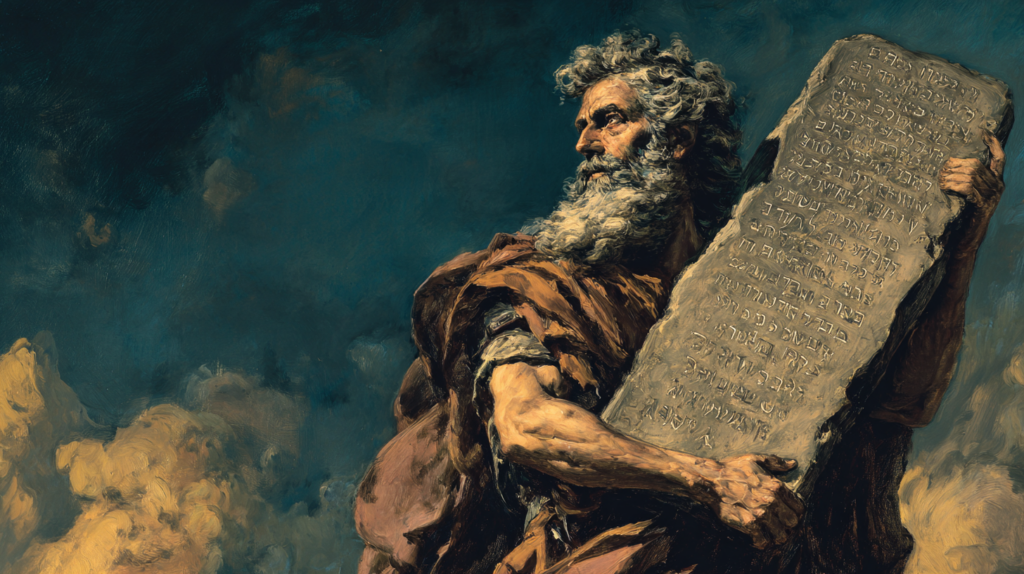
There shall not be a hand touch it, but he shall surely be stoned, or shot through; whether it be beast or man, it shall not live: when the trumpet sounds long, they shall come up to the mount.
Qol Shophar
But when the congregation [H6951] is to be gathered together [H6950], y0u shall blow [H8628], but you shall not sound an alarm [H7321].
ובהקהיל את־הקהל תתקעו ולא תריעו׃
Primary verses to consider:
Make two trumpets of silver; of a whole piece shall you make them: that you may use them for the calling [Miqra H4744] of the assembly, and for the journeying of the camps. And when they shall blow [H8628] with them, all the assembly shall assemble themselves to you at the door of the Tabernacle of the Appointment [H4150]. And if they blow [H8628] but with one trumpet, then the princes, which are heads of the thousands of Yashar’El, shall gather themselves unto you. When you blow [H8628] an alarm [H8643], then the camps that lie on the east parts shall go forward. When you blow [H8628] an alarm [H8643], the second time, then the camps that lie on the south side shall take their journey: they shall blow [H8628] an alarm [H8643], for their journeys. But when the congregation is to be gathered together, you shall blow [H8628], but you shall not sound an alarm [H7321]. And the sons of Aahron, the priests, shall blow [H8628] with the trumpets [H2689]; and they shall be to you for an ordinance FOREVER throughout your generations. And if you go to war in your land against the enemy that oppresses you, then you shall blow [H8628] an alarm [H8643] with the trumpets [H2689]; and you shall be remembered before Yahuah your Elohiym, and you shall be saved from your enemies. Also, in the day of your gladness, and in your appointed times [H4150], and in the beginnings of your months, you shall blow [H8628] with the trumpets [H2689] over your burnt offerings, and over the sacrifices of your peace offerings; that they may be to you for a memorial before your Elohiym: I am Yahuah your Elohiym.
And you shall set bounds unto the people round about, saying, Take heed to yourselves, that you do not go up into the mount, or touch the border of it: whosoever touches the mount shall be surely put to death: There shall not be a hand touch it, but he shall surely be stoned, or shot through; whether it be beast or man, it shall not live: when the Yobel [H3104] sounds long [H4900], they shall come up to the mount.
And it came to pass on the third day in the morning, that there were thunders and lightnings, and a thick cloud upon the mount, and the voice of the shophar [H7782] exceeding loud; so that all the people that was in the camp trembled. And Moses brought forth the people out of the camp to meet with Elohiym; and they stood at the nether part of the mount. And Mount Sinai was altogether on a smoke, because Yahuah descended upon it in fire: and the smoke thereof ascended as the smoke of a furnace, and the whole mount quaked greatly. And when the voice of the shophar [H7782] sounded long, and waxed louder and louder, Moshe spoke, and Elohiym answered him by a voice.
Blow[H6628] the shophar [7782] in Tziyon, sanctify a fast, call [Qara H7121] a solemn assembly: Gather the people, sanctify the congregation, assemble the elders, gather the children, and those that suck the breasts: let the bridegroom go forth of his chamber, and the bride out of her closet.
To the chief Musician upon Gittith, A Psalm of Asaph. Sing aloud unto Elohiym our strength: make a joyful noise unto the Elohiym of Ya’aqob. Take a psalm, and bring here the timbrel, the pleasant harp with the psaltery. Blow up [H8628] the shophar [H7782] in the new moon, in the time appointed, on our Feast day. For this was a statute for Yashar’El, and a Law of the Elohiym of Ya’aqob.
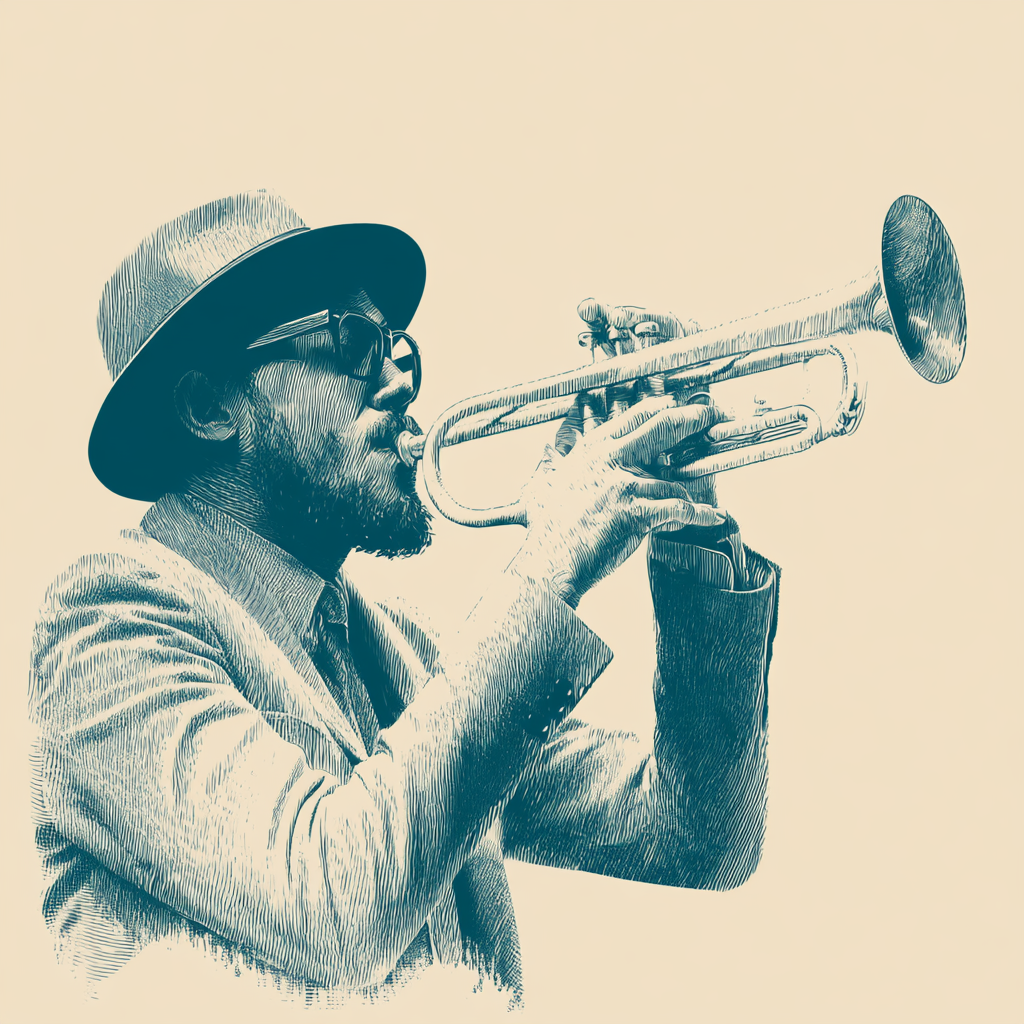
In the Hebrew scriptures, there are two kinds of trumpets mentioned. One is called a “shophar” and the other one is a “chătsôtserâh” in the underlying Hebrew language. When we read our English translations and see the word “trumpet”, the image of a modern-day trumpet pictured to the right, most likely comes to mind.
In the eyewitness account of Yahusha (Joshua), the underlying Hebrew word in this passage translated as “trumpet” is the Hebrew word “shophar” and is Strong’s Exhaustive Concordance of the Bible H7782. The “shophar” is actually a “ram’s horn” as illustrated in the context of the following passage:
And it shall come to pass, that when they make a long blast with the ram’s [H3104] horn [H7161], and when you hear and obey the sound of the shophar [H7782], all the people shall shout with a great shout; and the wall of the city shall fall down flat, and the people shall ascend up every man straight before him.
This passage was taken from the fall of Yericho. When the shophar was blown, the people shouted and the walls of Yericho fell down flat. This is likely due to resonant frequencies. Here is a short YouTube video explaining this phenomenon. https://www.youtube.com/watch?v=VjmX8nFR9A4
Sounds have a vibrational impact on our surroundings. The “shophar” was made from the horn of an animal. Jack Waid wrote an article titled, Time for a Shophar, Shophar for a Time describing the kinds of ram’s horns most often used to make a shophar.
A shophar is the horn of an animal that in most cases is twisted. There are three specific types of horns used to make shopharot; the ram’s horn, African kudu horn (later to become a Yemenite shophar), and the African Gemsbok horn (a straight horn). These horns are from kosher animals that have a horn which can be hollowed out. https://www.ancient-hebrew.org/culture/time-for-a-shophar-shophar-for-a-time.htm
Here are pictures of the main three types of animal horns used to make shophars.

The second type of trumpet in the Word is a “chătsôtserâh” which is pronounced “khats-o-zer-aw” and is Strong’s Exhaustive Concordance of the Bible H2689.
And Yahuah spoke unto Moshe, saying, Make two trumpets [H2689] of silver; of a whole piece shall you make them: that you may use them for the calling [Qara] of the assembly, and for the journeying of the camps.
This particular horn was fashioned from silver and was straight. It was played exclusively by men in the Levitical priestly line whereas the shophar could be used by anyone. Following are illustrations of a shophar made from the African Kudo and the silver trumpets used by the priests.

The shophar can be played by anyone but the chătsôtserâh was reserved for the Levite priests.
Defining Relevant Terms in the underlying Hebrew:
Definition of shophar:
The Ancient Hebrew Lexicon of the Bible written by Jeff A. Benner defines “shophar” the following way:
RPWF (masc., שופר / sho-phar) Translation: RAM.HORN Definition: The horn of ram made into a trumpet that emits a bright and beautiful sound. Edenics: spiral – the shape of the ram’s horn KJV Translations: trumpet, cornet Strong’s Hebrew #: h.7782
The “shophar” is the horn of a ram made into a trumpet emitting a bright and beautiful sound which describes our modern-day trumpets as well. The Hebrew root of this word is defined the following way by The Ancient Hebrew Lexicon of the Bible:
PF שף Action: Strike, Swallow Object: Serpent Definition: A serpent (venomous snake) has sharp fangs in the mouth. Its prey is taken into the mouth swallowed by drawing down into the belly. Ancient Hebrew: The pictograph F is a picture of the teeth, the P is a picture of the mouth. Combined these mean “sharp teeth in the mouth”.
“Shophar” is related to a “serpent” with “sharp teeth in the mouth”. The “serpent” uses its fangs to strike its victims with poison. The Hebrew word related to the actual strike of the serpent is in this same Hebrew word family. The Ancient Hebrew Lexicon of the Bible defines it as:
PWF (שוף) Definition: A striking of the serpent.
PWF ( common, שוף / sh.w.p) Translation: FALL.UPON (V) Definition: To suddenly and forcefully crash upon someone or something. KJV Translations: bruise, break, cover Strong’s Hebrew #: h.7779
This Hebrew word is actually most often translated as “bruised” in Bereshith (Genesis) 3:15 but a better word would be “strike” as in the “strike of a serpent”. Here is the passage using “strike” in place of “bruise”.
And I will put enmity between you and the woman, and between your seed and her seed; it shall strike [H7779] your head, and you shall strike [H7779] his heel.
We can see this phrase “strike the head” in the ancient Hebrew pictographic language of the Hebrew word “shophar”.
RPWF
“Shophar”
Strike the Head
The Appointed Time associated with the “shophar” is “Yom Teruah” or the “Day of Trumpets”. It is the day and hour no man knows.
But of that day and hour knows no man, no, not the messengers of heaven, but my Father only.
It is the only Appointed Time of our Father that cannot be determined until the day it arrives. It is based upon the sighting of the waxing sliver of the crescent moon. It could be observed on the 29th or 30th day of the month. We do not know the day or hour until it is sighted by two reliable witnesses with the naked eye. In the context of the passage, Yahusha is referring to his return.
And then shall appear the sign of the Son of man in heaven: and then shall all the tribes of the earth mourn, and they shall see the Son of man coming in the clouds of heaven with power and great glory. And he shall send his messengers with a great sound of a trumpet, and they shall gather together his elect from the four winds, from one end of heaven to the other.
Many have come to the conclusion that he will return on Yom Teruah based on this evidence. The testimony in Mattithyahu (Matthew) 24:30-31 parallels the following prophecy spoken by Moshe.
That THEN Yahuah your Elohiym will turn your captivity, and have compassion upon you, and will return and gather you from all the nations, where Yahuah your Elohiym has scattered you. If any of your be driven out unto the outmost parts of heaven, from there will Yahuah your Elohiym gather you, and from there will he fetch you:
Both of these passages are speaking about the regathering of the House of Yashar’El. It is likely a reference to the same event. Some other interesting observations between “shophar” and the return of our Messiah is in Yeshayahu (Isaiah). It says that he slays the wicked with the “breath of his lips”. This is a “strike” like the bite of a serpent which could also occur on Yom Teruah.
But with righteousness shall he judge the poor, and reprove with equity for the meek of the earth: and he shall smite the earth with the rod of his mouth, and with the breath of his lips shall he slay the wicked.
This passage in Yeshayahu (Isaiah) parallels the following in Revelation:
And I saw heaven opened, and behold a white horse; and he that sat upon him was called Faithful and True, and in righteousness he does judge and make war. His eyes were as a flame of fire, and on his head were many crowns; and he had a name written, that no man knew, but he himself. And he was clothed with a vesture dipped in blood: and his name is called The Word of Elohiym. And the armies which were in heaven followed him upon white horses, clothed in fine linen, white and clean. And out of his mouth goes a sharp sword, that with it he should smite the nations: and he shall rule them with a rod of iron: and he treads the winepress of the fierceness and wrath of Almighty Elohiym.
Again, we see the picture of a sharp sword coming from his mouth to smite the nations like the bite of a serpent. This text is saying that he uses the Word of Elohiym which at the time this document was written was the Law, the Hebrew Prophets and the Tehillim (Psalms). The evidence really does allude to “Yom Teruah” as the Appointed Time marking the return of the King.
Another word closely related to “shophar” is “shefer” and it is defined the following way by The Ancient Hebrew Lexicon of the Bible as:
RPF (masc., שפר / she-pher) Translation: BRIGHT Definition: A radiating or reflective light. As cheerful. KJV Translations: goodly Strong’s Hebrew #: h.8233
Another word in this word family is “shifrah” and it is defined the following way by The Ancient Hebrew Lexicon of the Bible as:
HRPYF ( fem., שיפרה / shiph-rah) Translation: BRIGHTNESS Definition: Harmonized and in balance. Cheerful. KJV Translations: garnished Strong’s Hebrew #: h.8235
It refers to something harmonized or in balance and is also a reference to “cheerful”. Based on these definitions, the “shophar” is supposed to produce a bright and cheery, harmonized sound that strikes the soul of an individual in a powerful way from an ancient Hebrew perspective.
Definition of chătsôtserâh:
The Ancient Hebrew Lexicon of the Bible defines “chătsôtserâh” or the silver trumpet the following way:
HRCWCX ( fem., חצוצרה) Translation: STRAIGHT.TRUMPET Definition: A loud wind instrument. KJV Translations: trumpet Strong’s Hebrew #: h.2689
The “chătsôtserâh” is a different instrument. It is a straight trumpet which is a loud wind instrument. The House of Yashar’El were commanded to make two. “Chătsôtserâh” appears to be a compound word based on two Hebrew root words. “Châtsar” and “tzerah” are the two Hebrew root words. The three-lettered root “châtsar” is defined the following way by The Ancient Hebrew Lexicon of the Bible:
RCX (common, חצר) Translation: BLOW.SOUND (V) Definition: [To be verified] To blow trumpets to make a loud sound. KJV Translations: sound, blow, trumpeter Strong’s Hebrew #: h.2690
This is most often translated as “blow” as in relation to blowing a trumpet. The two-lettered root is defined the following way by The Ancient Hebrew Lexicon of the Bible:
CX חץ Action: Divide, Carve, Hew, Urge, Blow Object: Tent Wall, Arrow, Outside, Carving, Bosom, Yard Definition: The tent wall divides or separates the inside from the outside. The wall inside the tent divides the tent into two sections. Ancient Hebrew: The pictograph X is a picture of a wall. The C is a picture of a man laying on his side. Combined these mean “wall of sides”.
These definitions do not seem to be related until one sees the following definition in the same word family. The Ancient Hebrew Lexicon of the Bible defines this heading under “châtsar” the following way:
RCX חצר Definition: When the trumpets from the city are sounded as an alarm of invasion, the inhabitants of the surrounding fields and villages, or yards, go to the protection of the walled city. Relationship to Parent: enclosing
This definition is related to the function of the trumpet rather than the item itself. One of the main functions of the trumpet was to warn the inhabitants of impending danger so they could seek protection in the walled city.
The other half this compound word is “tzerah” is defined the following way by The Ancient Hebrew Lexicon of the Bible:
HRC (fem., צרה / tsa-rah) Translation: PERSECUTION Definition: To agitate mentally or spiritually; worry; disturb. KJV Translations: trouble, distress, affliction, adversity, anguish, tribulation, adversary Strong’s Hebrew #: h.6869
The sound of the “chătsôtserâh” most often indicated an impending invasion, so the sound of the instrument would agitate or disturb those who heard it. Here is an example of the enemy trembling in fear at the sound of the shophar.
So, Gideon, and the hundred men that were with him, came unto the outside of the camp in the beginning of the middle watch; and they had but newly set the watch: and they blew the shophars [H7782], and broke the pitchers that were in their hands. And the three companies blew the shophars [H7782], and broke the pitchers, and held the lamps in their left hands, and the shophars [H7782] in their right hands to blow withal: and they cried, The sword of Yahuah, and of Gideon. And they stood every man in his place round about the camp: and all the host ran, and cried, and fled.
The sound of the shophars frightened their enemy so much they fled. The two-letter root of “tzerah” is defined the following way by The Ancient Hebrew Lexicon of the Bible:
RC צר Action: Press, Shine, Crush, Strike, Report, Gather, Tear, Keep Object: Enemy, Bundle, Belt, Neck, Oil, Flint, Flesh, Fence, Prey Abstract: Trouble, Pain Definition: A pressing in or on someone or something.
Enemies press into the city when they invade. Because the “chătsôtserâh” was blown by the Levitical Priesthood, it is one of their responsibilities to warn the people of impending disaster. Both of these Hebrew root words are related to the function of the instrument and not the instrument itself.
Sounds of the “Shophar”:
In Rabbinic Judaism and some Messianic Jewish organizations, they teach people there are four sounds of the “shophar” in their traditions. The first sound is the “tekyiah” and is a sound of joy and happiness. It is described as a long blast with some tonal variations. The “shevarim” and “teruah” are broken sounds and represent sounds of sadness, pain and suffering. The fourth sound is the “Tekyiah HaGadol” and is a long blast held for as long as possible by the one who is blowing the “shophar”.
What does the Word of Yahuah say about Shophar sounds?
This is an opportunity to apply the Law “Shema Qol Yahuah”. Are we going to hear and obey the voice of the leaders in Rabbinic Judaism and Messianic Judaism? Or are we going to hear and obey the Voice of Yahuah?
Testimony in the Word of our Father describes one sound as “Mashak Yobel” and it is found in the following passage:
There shall not a hand touch it, but he shall surely be stoned, or shot through; whether it be beast or man, it shall not live: when the Yobel [H3104] sounds long [4900], they shall come up to the mount.
“Yobel” is the exact Hebrew word to describe the “year of release” in the Jubilee or Yovel that occurs every 50 years. The letter “beyt” is pronounced as a “B” or a “V” in modern Hebrew. So, “Yovel” and “Yobel” are the same word referring to the same thing.
And you shall hallow the fiftieth year, and proclaim liberty throughout all the land unto all the inhabitants thereof: it shall be a Yobel [H3104] unto you; and you shall return every man unto his possession, and you shall return every man unto his family.
The event in Shemoth (Exodus) 19:13 occurred during the third month of the year and the Year of Yobel is announced in the seventh month not the third. So, how does this Hebrew word relate to a type of sound made by a shophar? Here is the exact phrase in the modern and ancient Hebrew. The black letters are prefixes.
במשׁך היבל
LBYH KFMB
The Ancient Hebrew Lexicon of the Bible defines “mashak” the following way:
KFM (common, משך / m.sh.k) Translation: DRAW (V) Definition: To pull up or out of a receptacle or place; to draw or pull something out; to prolong in the sense of drawing out time; to draw out a sound from a horn. KJV Translations: draw, prolong, scatter, continue, defer Strong’s Hebrew #: h.4900
In the context of the passage, this sound is a long blast drawn out or prolonged like the Tekyiah HaGadol sound mentioned in Rabbinic Judaism. In this passage, the “shophar” was blown by someone in His heavenly hosts. This event is the first time the word “shophar” is used in the Word of Yahuah and the first time a type of sound is indicated.
The Ancient Hebrew Lexicon of the Bible defines “Yobel” the following way:
LBWY (masc., יובל / yo-vel) Translation: TRUMPET Definition: An instrument of flowing air to make a sound. Also, the horn of a ram as used as a trumpet. KJV Translations: jubilee, ram’s horn, trumpet Strong’s Hebrew #: h.3104
This Hebrew word indicates the “flowing” of air through the shophar or is a reference to the shophar itself. ALL of the words in this Hebrew word family are related to this concept of “flowing” including the two-lettered root of this word.
LWBY (masc., יבול) Translation: PRODUCT Definition: The produce of fruits and crops that flourish in fields frequently flooded. KJV Translations: increase, fruit Strong’s Hebrew #: h.2981
LBY (יבל) Definition: A flowing of wealth, water or sound.
LWB (בול) Definition: A large flowing of water. As the river rises and overflows its banks, the surrounding lands are flooded depositing the water for growing the crops.
HLB (בלה) Definition: A flowing away of function, life or strength.
ALB (בלא) Definition: A flowing away life.
LLB (בלל) Definition: A flowing or mixing of a liquid or solid.
LB (בל) Action: Flow, Wear, Stir, Mix, Twist Object: Fodder, Stream, Flood, Old Abstract: Nothing, Trouble Definition: A flowing of any substance.
LB ( masc., בל) Translation: NONE Definition: Not any, no part. Relationship to Root: To come to nothing when effort is given. Edenics: ball; bowl; flow – with the exchange of the f for a b KJV Translations: none, not, nor, lest, nothing, not, neither, no Strong’s Hebrew #: h.1077
Here is an interesting observation. The Hebrew root word for “heart” has the same two Hebrew letters but the order is reversed. The shepherd’s staff represented by the lamed means “authority” or “yoke” and the letter beyt means “house” or “inside”. Together they mean “authority inside”.
BL
Leb or heart
“Authority inside”
When they are reversed, the “authority” is flowing out of the house or being “drained”.

When we grow old, our life is slowly draining out of us. When rivers flood, they are draining their water. When something is completely drained, there is nothing left. It is empty. In the Year of Yovel, the lands are drained of their inhabitants as everyone returns to the land of their origin. Slave-masters are drained of their workers as all debts are forgiven. The evidence illustrates that this sound in Shemoth (Exodus) 19:13 involved a complete draining of the breath which would produce a very long sound. This would be like the “Tekiyah HaGadol” mentioned in Rabbinic Judaism. It just has a different name in the Word of our Father.
This sound during this particular event was used to gather the children of Yashar’El to the base of the mountain prior to Yahuah Elohiym speaking directly with them.
The Hebrew word “tekyiah” is found in scripture and it is defined by The Ancient Hebrew Lexicon of the Bible the following way:
[QT ( common, תקע / t.q.ah ) Translation: THRUST (V) Definition: To push or drive with force a pole into the ground, such as when setting up the tent; to blow the trumpet in the sense of throwing out the sound. KJV Translations: blow, fasten, strike, pitch, thrust, clap, sound Strong’s Hebrew #: h.8628
“Tekyiah” is translated as “pitched” in the following passage highlighted in orange:
Then Laban overtook Ya’aqob. Now Ya’aqob had pitched [H8628] his tent in the mount: and Laban with his brethren pitched [H8628] in the mount of Gilead.
“Tekyiah” is translated as “cast” in the following passage highlighted in orange:
And Yahuah turned a mighty strong west wind, which took away the locusts, and cast them [H8628] into the Red sea; there remained not one locust in all the coasts of Egypt.
In this passage it is translated as “blow” and is linked with the Hebrew word “shophar” in this passage:
And seven priests shall bear before the ark seven shophar [H7782] of Yobel [H3104] and the seventh day you shall compass the city seven times, and the priests shall blow [H8628] with the shophars [H7782].
Based on the definition in the lexicon and the various translations of “tekyiah”, the word is associated with the actual blowing of the instrument in the sense of “casting forth air to produce sound” and not a type of sound produced by the “shophar”. “Tekyiah” is most often translated as “blow” or “blowing” in scripture.
“Teruah” and “rua” are also descriptive of a type of sound. Both of these Hebrew words are in the same word family. The Ancient Hebrew Lexicon of the Bible defines “teruah” and “rua” the following way:
H[WRT ( fem., תרועה) Translation: SHOUT Definition: A great shout of alarm of war or for rejoicing. KJV Translations: shout, shouting, alarm, sound, blowing, joy Strong’s Hebrew #: h.8643
[WR ( common, רוע / r.w.ah ) Translation: SHOUT (V) Definition: To shout an alarm of war or for great rejoicing. KJV Translations: shout, noise, alarm, cry, triumph, smart Strong’s Hebrew #: h.7321
“Teruah” and “rua” are primarily sounds made by the voices of people but can also refer to sounds made by the “shophar” and “chătsôtserâh”. This sound is described as an “alarm” and is not to be used when gathering the people together as illustrated in the following passage.
But when the congregation is to be gathered together, you shall blow [tekyiah H8628], but you shall not sound an alarm [rua H7321].
“Alarms” are akin to impending danger or destruction. When the people are gathered together, it is NOT associated with impending danger or destruction. The type of sound produced by “teruah” and “rua” can be determined by examining the root word in this Hebrew word family. “Ra” is the Hebrew root and is often translated as “evil” in the King James Bible. It is defined by The Ancient Hebrew Lexicon of the Bible the following way:
[R (common, רע / ra) Translation: DYSFUNCTIONAL Definition: Impaired or abnormal action other than that for which a person or thing is intended. Something that does not function within its intended purpose. KJV Translations: evil, wickedness, wicked, mischief, hurt, bad, trouble, sore, affliction, ill, adversity, favoured, harm, naught, noisesome, grievous, sad Strong’s Hebrew #: h.7451, h.7455
“Ra” means “dysfunctional”. Something that is “dysfunctional” is broken. Another word in this family is “yara” and it is defined the following way by The Ancient Hebrew Lexicon of the Bible:
[RY ( common, ירע ) Translation: GRIEVE (V) KJV Translations: displease, grieve, grievous, evil, ill, harm, sad Strong’s Hebrew #: h.3415
“Yara” means to “grieve”. When someone is grieving, they are sobbing and their hearts are broken. Based on these definitions, “teruah” and “rua” are sounds that represent sadness, pain and suffering. The sounds would be broken like a staccato and not one long consistent blast.
Because “teruah” is related to “grieving” and an “alarm for war,” it seems even more plausible that Messiah Yahusha would return on Yom Teruah. When he returns, he is going to judge the nations with righteousness. There will be a great deal of mourning and grieving on that day. It is the final battle between heaven and earth.
The word used in Rabbinic Judaism to describe “shevarim” does not appear in the Word in relation to the sound of the shofar. “Shavar” which forms the word “shevarim” simply means broken. The Ancient Hebrew Lexicon of the Bible defines “shavar” the following way:
RBF ( common, שבר / sh.b.r ) Translation: CRACK (V) Definition: To break open, apart or into pieces. Alternate Translations: shatter; shattered (when written in the piel [intensive] form) KJV Translations: break, destroy, hurt, tear, birth, crush, quench Strong’s Hebrew #: h.7665 Aramaic Spelling: תבר Strong’s Aramaic #: a.8406
RBF (masc., שבר) Translation: SHATTERING Definition: Suddenly broken or burst into pieces, as with a violent blow. KJV Translations: destruction, breach, hurt, breaking, affliction, bruise, crashing, interpretation, vexation Strong’s Hebrew #: h.7667
“Shavar” is used the following way in scripture as an infinitive absolute:
You shall not bow down to their mighty ones, nor serve them, nor do after their works: but you shall utterly overthrow [H2040 H2040] them, and quite break down [H7665 H7665] their images.
“Shevarim” would be a sound akin to something shattering, bursting into pieces or broken down. It is the result of “dysfunctional” behavior. The root of this word is defined the following way by The Ancient Hebrew Lexicon of the Bible:
RP פר Action: Tread, Burst, Break, Tear, Spread, Split, Flee, Cast, Divide Object: Bull, Whip, Hoof, Birth canal, Fugitive, Weave, Powder, Seed, Village, Bud Definition: The heads of grains are scattered on the threshing floor, a smooth, hard and level surface. An ox is lead around the floor crushing the heads, opening them to reveal the seed inside. Also the fruit of trees that harvested. Ancient Hebrew: The pictograph P is a picture of an open mouth, the R is a picture of a head. Combined these mean “open the head”.
Heavy oxen would trample the grain, opening the head to reveal the seeds inside. When people experience tribulation, the contents of their hearts are revealed in the midst of their calamity, revealing the seed inside. The “teruah” and the “shevarim” would be the same sound produced by the “shophar” and the “chătsôtserâh”. Both are associated with impending judgement, calamity and destruction. According to the instructions of Yahuah Elohiym, these sounds are NOT to be used to “gather” the people together.
In the event described in Shemoth (Exodus) 19:9-25, the whole house of Yashar’El was gathered together and the sound produced by the “shophar” blown from heaven was the “Mashak Yobel”, a very long prolonged blast that waxes louder and louder which completely drains the breath of the one blowing. According to scripture, the “teruah” is an alarm and a broken sound similar to a woman sobbing. The “Mashak Yobel” is like the “Tekiyah HaGadol” in which it is a long blast draining the air of the one blowing the instrument. “Tekyiah” is the act of blowing the “shophar” or “chătsôtserâh”.
The Purpose of Blowing the Shophar:
In the following passage, the “shophar” is blown in the new moon, appointed times and feast days.
Blow [Tekiyah H8628] up the shophar [H7782] in the new moon, in the time appointed, on our feast day.
These involve the “gathering” of the people so the sound used would be the “Mashak Yobel” and not the “Rua” or “Teruah”. The chătsôtserâh is used for calling the assembly together and their journeys as a camp. Two trumpets are blown for the gathering of the whole assembly and one trumpet is blown for the leaders of thousands.
Make two trumpets of silver; of a whole piece shall you make them: that you may use them for the calling [Miqra] of the assembly, and for the journeying of the camps. And when they shall blow [Tekiyah] with them, all the assembly shall assemble themselves to you at the door of the Tabernacle of the Appointment. And if they blow but with one trumpet, then the princes, which are heads of the thousands of Yashar’El, shall gather themselves unto you.
When the House of Yashar’El is set to take its journey, the sound is the “Rua”. This sound is specifically NOT used for the gathering of the assembly.
When you blow [Tekiyah] an alarm [Rua], then the camps that lie on the east parts shall go forward. When you blow [Tekiyah] an alarm [Rua] the second time, then the camps that lie on the south side shall take their journey: they shall blow [Tekiyah] an alarm [Rua] for their journeys. But when the congregation is to be gathered together, you shall blow [Tekiyah], but you shall NOT sound an alarm [Rua]. And the sons of Aahron, the priests, shall blow [Tekiyah] with the trumpets; and they shall be to you for an ordinance FOREVER throughout your generations. (Bemidbar/Numbers 10:5-8
The chătsôtserâh or shophar can be blown as a “Teruah” as a cry to Yahuah to save us from our enemies. He will hear our cries.
And if you go to war in your land against the enemy that oppresses you, then you shall blow [Tekiyah] an alarm [Rua] with the chătsôtserâh; and you shall be remembered before Yahuah your Elohiym, and you shall be saved from your enemies.
Here is an example of this. The people were sighing, crying and groaning. Yahuah heard them and saved them.
And it came to pass in process of time, that the king of Egypt died: and the children of Yashar’El sighed by reason of the bondage, and they cried, and their cry came up unto Elohiym by reason of the bondage. And Elohiym heard their groaning, and Elohiym remembered his covenant with Abraham, with Yitzak, and with Ya’aqob. And Elohiym looked upon the children of Yashar’El, and Elohiym had respect unto them.
They didn’t use the shophar or the chătsôtserâh in this situation. But we must remember that the “Teruah” can also be “shouting”. Perhaps Yahuah is waiting for His people to cry-out to Him for help. Messiah Yahusha will come on Yom Teruah to rescue or save the House of Yashar’El who are crying out for intervention on their behalf.
Lastly, the shophar or chătsôtserâh are sounded in days of gladness, at the Appointed Times, the beginnings of the months over our burnt offerings and peace offerings. These would not be an alarm or “Rua”.
Also, in the day of your gladness, and in your Appointed Times, and in the beginnings of your months, you shall blow [Tekiyah] with the chătsôtserâh over your burnt offerings, and over the sacrifices of your peace offerings; that they may be to you for a memorial before your Elohiym: I am Yahuah your Elohiym.
Yahuah uses the shophar in battle as well as men using the “teruah” sound.
And Yahuah shall be seen over them, and his arrow shall go forth as the lightning: and Adonai Yahuah shall blow the shophar, and shall go with whirlwinds of the south.
And it shall come to pass, that when they make a long [Mashak] blast [Mashak] with the ram’s horn [Yobel], and when you hear the sound of the shophar, all the people shall shout [Rua] with a great shout [Teruah]; and the wall of the city shall fall down flat, and the people shall ascend up every man straight before him.
The Great Day of Yahuah is near, it is near, and hastes greatly, even the voice of the Day of Yahuah: the mighty man shall cry there bitterly. That Day is a Day of wrath, a Day of trouble and distress, a Day of wasteness and desolation, a Day of darkness and gloominess, a Day of clouds and thick darkness, A Day of the Shophar and alarm [Teruah] against the fenced cities, and against the high towers. And I will bring distress upon men, that they shall walk like blind men, because they have sinned against Yahuah: and their blood shall be poured out as dust, and their flesh as the dung.
Blow the Shophar in Tziyon, and sound an alarm [Rua] in my set-apart mountain: let all the inhabitants of the land tremble: for the Day of Yahuah comes, for it is near at hand; A Day of darkness and of gloominess, a Day of clouds and of thick darkness, as the morning spread upon the mountains: a great people and a strong; there has not been ever the like, neither shall be any more after it, even to the years of many generations. A fire devours before them; and behind them a flame burns: the land is as the Garden of Eden before them, and behind them a desolate wilderness; yea, and nothing shall escape them.
King David used a “teruah” blast when bringing up the ark of Yahuah. He was warning the people to stay clear of the Ark.
So, David and all the House of Yashar’El brought up the ark of Yahuah with shouting [Teruah], and with the sound of the shophar.
Yahuah uses a “teruah” when He reigns over the heathen. This is likely a reference to the reign of our Messiah which also circles back to Yom Teruah.
Elohiym is gone up with a shout [Teruah],Yahuah with the sound of a shophar. Sing praises to Elohiym, sing praises: sing praises unto our King, sing praises. For Elohiym is the King of all the earth: sing you praises with understanding. Elohiym reigns over the heathen: Elohiym sits upon the throne of his set-apartness.
The “teruah” sound is also blown from the shophar in the Year of Yovel (Jubilee) to proclaim liberty throughout the land.
And you shall number seven sabbaths of years unto you, seven times seven years; and the space of the seven sabbaths of years shall be unto thee forty and nine years. Then you shall cause the shophar of the Teruah to sound on the tenth day of the seventh month, on Yom Kippur shall you make the shophar sound throughout all your land. And you shall hallow the fiftieth year, and proclaim liberty throughout all the land unto all the inhabitants thereof: it shall be a Yovel unto you; and you shall return every man unto his possession, and you shall return every man unto his family.
It is interesting to note that “Teruah” in this passage is often translated as “Jubilee”. When we correct the translation, we can see that our Father has specified the type of sound we are to blow on the Year of Yovel. He has instructed us to blow the sound of the Teruah. Yom Kippur is a Day of Judgement which is not a pleasant Appointed Time for the earth or the people who observe it.
Download this Article here