Debarim
Get up into the top of Pisgah, and lift up your eyes westward, and northward, and southward, and eastward, and behold the land with your eyes: for you shall not go over this Yarden.
Our Inheritance
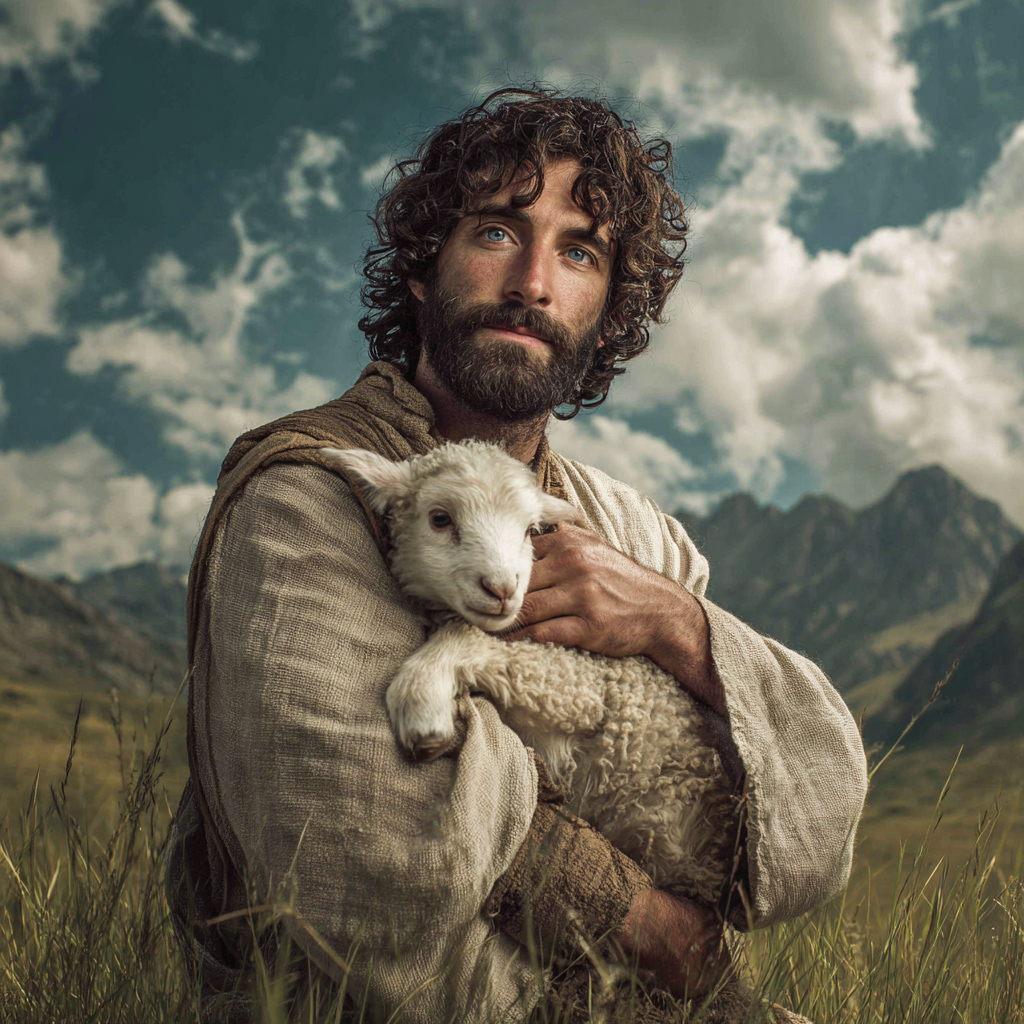
Debarim (Deuteronomy) provides an overview of the Covenant given at Mount Sinai and leads the House of Yashar’El to the edge of the Promised Land which is their inheritance if they abide by the conditions of the Covenant. Yahusha, Son of Nun, was appointed to lead the House of Yashar’El into the land of promise. Likewise, Yahusha Ben David will lead us to our final destination in the Presence of Yahuah Elohiym. He is our Inheritance.
Debarim


Moshe begins a recounting of events that occurred in their exodus from Egypt and their wanderings in the wilderness. He discusses their rebellion against His commandments.
Relevant Studies:
231-1 The Message of Death: Christianity is a belief system that teaches people to rebel against the instructions of our Father. They are behaving like those who were in the rebellion described in this passage.
We exercise wisdom when we choose to hear and obey the Words of our Father.
Relevant Studies:
131-5 What is Law? This teaching expands upon Debarim 4:2, not adding-to or subtracting-from the Words spoken by our Father.
331-1 Defining False Prophets: This study defines the Word of our Father and exposes those who provide alternate definitions of His Word. True prophets do not add-to or subtract-from His Word.
Moshe is recounting the events that happened and discussing the greatness of Yahuah. He is our Strong Authority!
Relevant Studies:
Moshe reiterates the Ten Debarim (Words) as he recounts events that occurred in their wilderness wanderings.
Relevant Studies:
Our Father gives us further instructions to teach His Ways to our children. This contains the “Shema” in Debarim 6:4-9.
Relevant Studies:
Moshe recounts the “golden calf” incident and reminds the House of Yashar’El that they are not inheriting the land because they were righteous. They are inheriting the land because of Yahuah’s righteousness.
Relevant Studies:
231-1 The Message of Death: Christianity is a belief system that teaches people to rebel against the instructions of our Father. They are behaving like those who were in the rebellion described in this passage.
Moshe ascended the mountain to retrieve a second set of the same Ten Words. Our Father also discusses circumcision of the heart.
Relevant Studies:
121-4 Exalt His Name is related to Debarim 10:8. We are instructed to “bless His Name”.
Our Father’s desire is for us to follow His Ways wholly and completely. He warns us not to follow false prophets, teachers and leaders who lead us astray from His Ways. He warns us not to listen to anyone who would cause us to stray from the truth.
Relevant Studies:
141-2 What is Perspective? Our Father’s Desire is to do what is right in His eyes which is His perspective.
Relevant Studies:
131-5 What is Law? This teaching expands upon Debarim 12:32, not adding-to or subtracting-from the Words spoken by our Father.
331-1 Defining a False Prophet: False prophets teach people to disobey the Laws of Yahuah written by the Prophet Moshe. They teach people to hear and obey other voices rather than the Voice of Yahuah Elohiym.
331-2 Salvation IS by Works: False prophets as described in Debarim 13:1-5 teach us that Salvation is NOT by Works but this is not true. Behavior matters. This exposes false doctrines taught by false prophets.
This passage continues to discuss the Laws of our Father which teach us how to “love our neighbor as ourselves”.
Relevant Studies:
111-10 Motives to Conceal relates to Debarim 16:19
Our Father establishes the authority of Prophets as individuals who speak on behalf of Him. They must clearly hear His Voice and convey the message of our Father accurately.
Relevant Studies:
141-3 What is Authority? Our Father is an Elohiym of order which requires a hierarchy of authority in His Kingdom.
131-2 Prophets Defined: This study makes a distinction between a “prophet” and a “sent one”.
331-1 Defining False Prophets: This study defines the Word of our Father and exposes those who provide alternate definitions of His Word.
Our Father’s Laws are designed to teach us how to love our neighbor as ourselves and to do what is right in His eyes.
Relevant Studies:
141-5 What is Truth? Truth is established at the testimony of two to three witnesses (Debarim 19:15)
Our Father continues to discuss commandments, statutes and ordinances. In this particular section, He addresses vows.
Relevant Studies:
131-4 His Word Stands FOREVER: We rely upon our Father to keep and follow-through on all of His promises.
Our Father outlines the blessings we will receive for obedience to ALL of His Laws and the curses we will experience if we choose to disobey His Laws.
Relevant Studies:
This begins as a prophecy that would occur at the end of days and concludes with a summary of the Sinai Covenant describing rewards and consequences for obedience and disobedience.
Relevant Studies:
231-5 The Second Death: our Father presents “death” as an option in this passage. It is the “second death” that will occur after the resurrection of all people at the end of the age.
141-1 What is Freewill? Our Father gives us a choice between life or death, blessings and curses. he acknowledges our freewill to choose for ourselves the outcomes we desire.
251-1 the Seven Seals: the souls under the altar are those who have put their faith in the Words spoken in Debarim 30:15-20. When this Seal is broken, the resurrection can occur.
331-2 Salvation IS by Works: Debarim 30:15-20 is the Message of Salvation in the Torah. It summarizes the behaviors that lead to a life without death and a death without life AFTER the resurrection.
The Prophet Moshe presents a song to help people remember our Father and the things He has done.
Relevant Studies:
131-4 His Word Stands FOREVER: Yahuah lives forever, so His Word stands forever
The Torah concludes with the last words of the Prophet Moshe and the blessings he bestowed upon the House of Yashar’El.
Following are studies on this website relevant to this Torah Portion:
111-5 Debunking the Documentary Hypothesis
Moshe begins a recounting of events that occurred in their exodus from Egypt and their wanderings in the wilderness. He discusses their rebellion against His commandments.
Relevant Studies:
231-1 The Message of Death: Christianity is a belief system that teaches people to rebel against the instructions of our Father. They are behaving like those who were in the rebellion described in this passage.
We exercise wisdom when we choose to hear and obey the Words of our Father.
Relevant Studies:
131-5 What is Law? This teaching expands upon Debarim 4:2, not adding-to or subtracting-from the Words spoken by our Father.
331-1 Defining False Prophets: This study defines the Word of our Father and exposes those who provide alternate definitions of His Word. True prophets do not add-to or subtract-from His Word.
Moshe is recounting the events that happened and discussing the greatness of Yahuah. He is our Strong Authority!
Relevant Studies:
Moshe reiterates the Ten Debarim (Words) as he recounts events that occurred in their wilderness wanderings.
Relevant Studies:
Our Father gives us further instructions to teach His Ways to our children. This contains the “Shema” in Debarim 6:4-9.
Relevant Studies:
Moshe recounts the “golden calf” incident and reminds the House of Yashar’El that they are not inheriting the land because they were righteous. They are inheriting the land because of Yahuah’s righteousness.
Relevant Studies:
231-1 The Message of Death: Christianity is a belief system that teaches people to rebel against the instructions of our Father. They are behaving like those who were in the rebellion described in this passage.
Moshe ascended the mountain to retrieve a second set of the same Ten Words. Our Father also discusses circumcision of the heart.
Relevant Studies:
121-4 Exalt His Name is related to Debarim 10:8. We are instructed to “bless His Name”.
Our Father’s desire is for us to follow His Ways wholly and completely. He warns us not to follow false prophets, teachers and leaders who lead us astray from His Ways. He warns us not to listen to anyone who would cause us to stray from the truth.
Relevant Studies:
141-2 What is Perspective? Our Father’s Desire is to do what is right in His eyes which is His perspective.
Relevant Studies:
131-5 What is Law? This teaching expands upon Debarim 12:32, not adding-to or subtracting-from the Words spoken by our Father.
331-1 Defining a False Prophet: False prophets teach people to disobey the Laws of Yahuah written by the Prophet Moshe. They teach people to hear and obey other voices rather than the Voice of Yahuah Elohiym.
331-2 Salvation IS by Works: False prophets as described in Debarim 13:1-5 teach us that Salvation is NOT by Works but this is not true. Behavior matters. This exposes false doctrines taught by false prophets.
This passage continues to discuss the Laws of our Father which teach us how to “love our neighbor as ourselves”.
Relevant Studies:
111-10 Motives to Conceal relates to Debarim 16:19
Our Father establishes the authority of Prophets as individuals who speak on behalf of Him. They must clearly hear His Voice and convey the message of our Father accurately.
Relevant Studies:
141-3 What is Authority? Our Father is an Elohiym of order which requires a hierarchy of authority in His Kingdom.
131-2 Prophets Defined: This study makes a distinction between a “prophet” and a “sent one”.
331-1 Defining False Prophets: This study defines the Word of our Father and exposes those who provide alternate definitions of His Word.
Our Father’s Laws are designed to teach us how to love our neighbor as ourselves and to do what is right in His eyes.
Relevant Studies:
141-5 What is Truth? Truth is established at the testimony of two to three witnesses (Debarim 19:15)
Our Father continues to discuss commandments, statutes and ordinances. In this particular section, He addresses vows.
Relevant Studies:
131-4 His Word Stands FOREVER: We rely upon our Father to keep and follow-through on all of His promises.
Our Father outlines the blessings we will receive for obedience to ALL of His Laws and the curses we will experience if we choose to disobey His Laws.
Relevant Studies:
This begins as a prophecy that would occur at the end of days and concludes with a summary of the Sinai Covenant describing rewards and consequences for obedience and disobedience.
Relevant Studies:
231-5 The Second Death: our Father presents “death” as an option in this passage. It is the “second death” that will occur after the resurrection of all people at the end of the age.
141-1 What is Freewill? Our Father gives us a choice between life or death, blessings and curses. he acknowledges our freewill to choose for ourselves the outcomes we desire.
251-1 the Seven Seals: the souls under the altar are those who have put their faith in the Words spoken in Debarim 30:15-20. When this Seal is broken, the resurrection can occur.
331-2 Salvation IS by Works: Debarim 30:15-20 is the Message of Salvation in the Torah. It summarizes the behaviors that lead to a life without death and a death without life AFTER the resurrection.
The Prophet Moshe presents a song to help people remember our Father and the things He has done.
Relevant Studies:
131-4 His Word Stands FOREVER: Yahuah lives forever, so His Word stands forever
The Torah concludes with the last words of the Prophet Moshe and the blessings he bestowed upon the House of Yashar’El.
Following are studies on this website relevant to this Torah Portion:
111-5 Debunking the Documentary Hypothesis


Changing is a Process
If our desire is to return to the Garden of Eden and the Presence of our Father, then we must purge the ways of the world and align ourselves with Him and His Ways. The process of change is straight-forward and is a pattern repeated over and over on our life journey with Him. In this video teaching, we explain the steps required to overcome and purge the dross from our hearts and souls. This will assist you in Living Our Father’s Way.
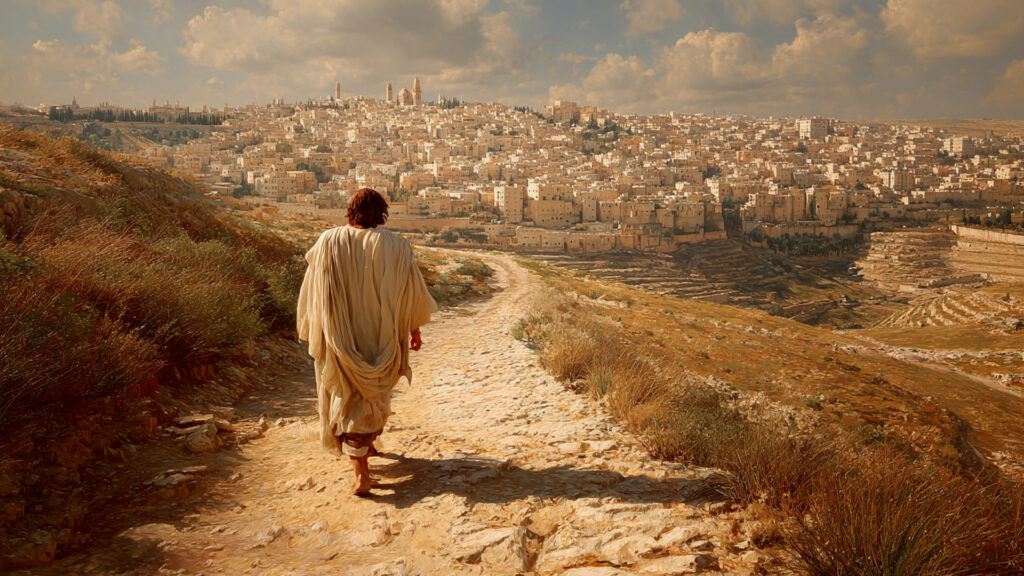
The Journey Home
Changing habits is not easy even when it comes to making the necessary changes to enter our Father’s House. Beliefs are the core. If we change our beliefs, we can make changes more easily. Beliefs are the gas in our engine that are a catalyst for change. If we are having trouble changing a habit, what are our beliefs about this habit? Change the belief, we change the habit. This video discusses the importance of belief and faith as it relates to change.